Why Choosing a Trusted Bulk E-Waste Buyer Supports Sustainable Recycling
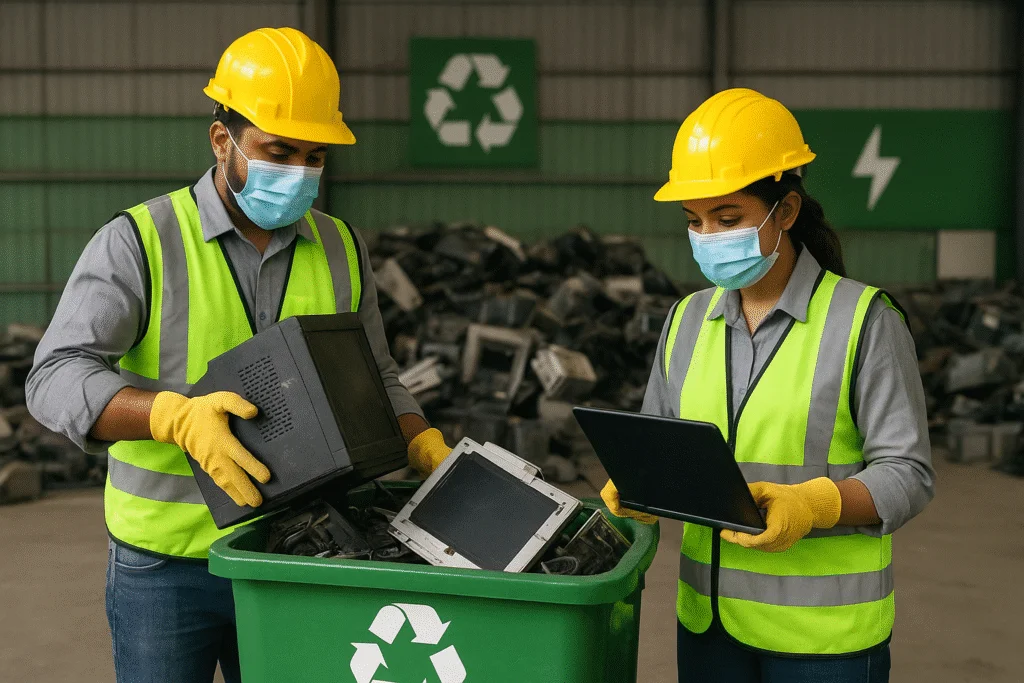
Electronic waste has become one of the fastest-growing environmental challenges in modern cities due to rapid technology upgrades and high device turnover. Proper disposal and recycling of outdated electronics are essential to reduce environmental damage and recover valuable materials such as metals and components. Responsible e-waste handling ensures safer ecosystems and supports circular economy practices that benefit both industries and communities.
Working with a bulk e-waste buyer helps organizations and individuals manage large quantities of electronic waste efficiently while ensuring environmentally safe recycling processes. These professional buyers follow structured collection, segregation, and recycling methods that minimize pollution and promote sustainable resource recovery.
Sustainable E-Waste Practices Improve Environmental Protection
Proper electronic waste management plays a major role in reducing environmental hazards and supporting responsible recycling systems.
1. Safe Handling of Hazardous Electronic Components
Electronic devices contain harmful materials such as lead, mercury, and cadmium that can damage soil and water if not disposed of correctly. Trusted bulk e-waste buyers ensure these materials are safely extracted and processed using regulated methods, reducing environmental contamination and health risks for surrounding communities.
2. Efficient Resource Recovery Systems
Professional recycling systems focus on recovering valuable metals like gold, copper, and aluminum from discarded electronics. These recovered materials can be reused in manufacturing new products, reducing the need for raw material extraction and supporting a more sustainable production cycle across industries.
3. Structured Waste Collection Process
Bulk e-waste buyers follow organized collection systems that simplify disposal for businesses and institutions. Large volumes of electronic waste are efficiently collected, transported, and processed, minimizing disruption while ensuring compliance with environmental safety standards and regulations.
4. Reduction of Landfill Burden
Proper recycling significantly reduces the amount of electronic waste ending up in landfills. This helps prevent toxic substances from leaking into the environment while extending landfill lifespan and promoting cleaner urban surroundings through responsible waste diversion practices.
5. Compliance with Environmental Regulations
Certified e-waste buyers follow strict government and environmental guidelines to ensure safe disposal practices. This compliance helps businesses avoid legal issues while contributing to national and global sustainability goals related to waste management and pollution control.
Growing Importance of Responsible E-Waste Management
The increasing use of electronic devices has made sustainable disposal practices more important than ever before. Many businesses that work with a bulk e-waste buyer are adopting structured recycling methods to responsibly manage outdated IT equipment and electronics. This shift reflects a growing awareness of environmental responsibility and the need to reduce the accumulation of harmful electronic waste in rapidly developing urban environments.
Advanced Recycling Technologies Improve E-Waste Processing
Modern recycling facilities are now equipped with advanced systems that improve efficiency, safety, and material recovery rates.
1. Automated Sorting and Segregation Systems
Advanced recycling plants use automated machinery to sort different types of electronic waste efficiently. These systems separate metals, plastics, and circuit components with high accuracy, reducing manual effort and improving overall recycling speed and material recovery quality.
2. Data Security in E-Waste Disposal
Secure data destruction is an essential part of electronic waste management. Trusted recycling providers ensure that all stored data in devices such as hard drives and servers is completely erased or physically destroyed to protect sensitive business and personal information from misuse.
3. Environment-Friendly Processing Methods
Modern recycling techniques prioritize eco-friendly processes that reduce emissions and chemical waste. These methods ensure that electronic components are broken down safely without harming the environment, supporting long-term sustainability goals and responsible industrial practices.
4. Efficient Logistics and Pickup Services
Bulk e-waste management services often include scheduled pickup and transportation solutions. This makes it easier for businesses to dispose of large quantities of electronic waste without disrupting operations, ensuring smooth and efficient recycling workflows.
5. Contribution to Circular Economy
Recycling electronic waste supports a circular economy by reintroducing recovered materials into manufacturing cycles. This reduces dependency on virgin resources, lowers production costs, and promotes sustainable industrial growth over time.
Increasing Demand for Certified E-Waste Partners
Organizations are increasingly choosing certified recycling partners to ensure responsible disposal and compliance with environmental standards. This shift is driven by growing awareness of environmental protection, stricter regulations, and the need for secure handling of electronic waste generated from offices, IT infrastructure, and large-scale operations.
Businesses working with a bulk e-waste buyer benefit from structured recycling processes, transparent documentation, and environmentally safe disposal practices that align with sustainability goals and corporate responsibility initiatives. Certified partners also ensure proper segregation, data security during device disposal, and efficient recovery of valuable materials, helping companies reduce environmental impact while maintaining compliance and operational efficiency in the long term.
Smart E-Waste Recycling Builds a Cleaner Future
Efficient e-waste recycling systems play a crucial role in reducing environmental pollution and promoting sustainable resource recovery across industries.
1. Growing Need for Responsible Disposal
With increasing use of electronic devices, responsible disposal has become essential. Improper handling leads to toxic pollution, making structured recycling systems necessary to ensure the safe breakdown and processing of electronic waste.
2. Importance of Certified Recycling Partners
Certified recyclers follow strict environmental guidelines to manage electronic waste safely. They ensure proper collection, segregation, and processing methods that reduce environmental risks and support regulatory compliance for businesses and institutions.
3. Role of Technology in Recycling Efficiency
Advanced recycling technologies improve the speed and accuracy of e-waste processing. Automation and smart systems help recover valuable materials efficiently while reducing manual errors and increasing overall operational productivity.
4. Reduction of Environmental Pollution
Proper recycling significantly reduces air, soil, and water contamination caused by hazardous electronic components. This helps maintain healthier ecosystems and supports long-term environmental sustainability efforts globally.
5. Support for Sustainable Resource Usage
E-waste recycling promotes the reuse of valuable metals and components, reducing the need to extract new raw materials. This supports sustainable production cycles and minimizes environmental strain from mining activities.
Conclusion
Choosing a trusted e-waste recycling partner is essential for reducing environmental harm, recovering valuable materials, and ensuring responsible disposal of electronic devices. Professional recycling systems help organizations manage waste efficiently while supporting global sustainability efforts.
Engaging with a bulk e-waste buyer in Dubai ensures secure, compliant, and environmentally responsible recycling practices. E-Waste IT Recycling provides professional solutions for the safe management of electronic waste, helping businesses and individuals contribute to a cleaner, more sustainable future.