How Trading Portals Protect Investor Data and Market Transactions
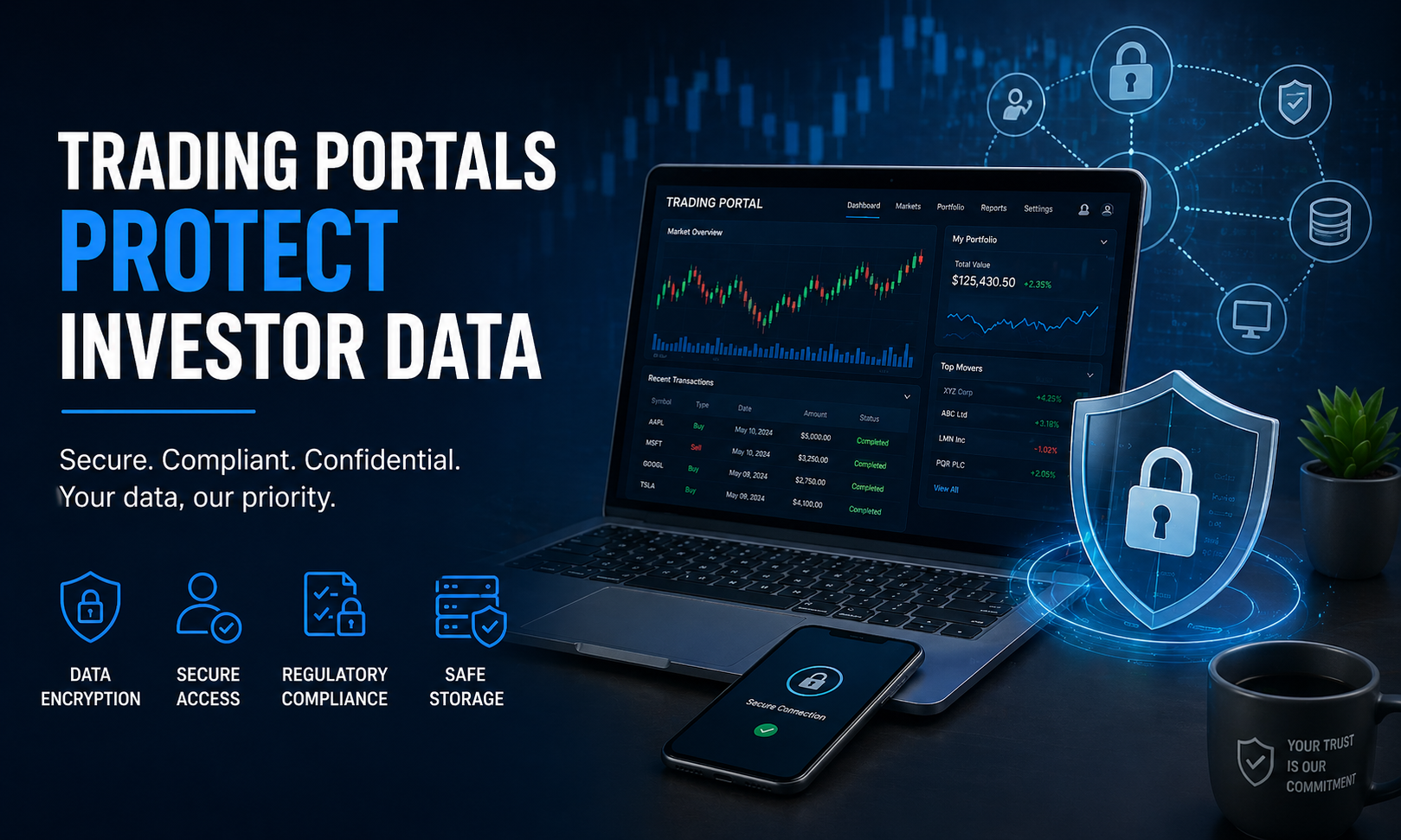
Security is now the foundation of the digital trading systems in the rapidly changing financial ecosystem. Investors desire to see transparency, a quick process, and most importantly, the necessary security of delicate financial information. The availability of a secure investment platform is no longer a feature, but a must-have requirement that guarantees investor trust and stability of the market in any transaction.
As more and more people engage in trade within financial markets, there has been an enhancement in the infrastructure of trading systems to safeguard users against breaches of data, unauthorized access, and fraud during transactions. This has revolutionized how investors interact with financial markets, and security-based systems have become the norm.
The Importance of Security in Modern Trading Systems
Portals in trading deliver huge amounts of sensitive data on a daily basis, such as personal data, financial transactions, and histories. It is important to ensure that this information is kept safe so as to uphold trust and avoid misuse, and facilitate the proper operation of financial systems, where any inconsistency can have major effects on investors and the general market confidence.
Key Security Priorities:
- Security of investor identity and personal information
- Unsafe financial transactions
- Precautions against unauthorized access
- Live tracking of system use
All these factors combine to provide a secure trading environment, and investors operate confidently.
Data Encryption and Protection Mechanisms
Encryption of data is one of the most potent foundations of trading security. It makes sure that no information is released between the users and systems to external threats.
How Encryption Works:
- Encrypts sensitive information
- Accessible only with the help of valid authentication keys
- Secures information when being transmitted and stored
- Avoids intrusion by third parties
The modern trading systems are supported with sophisticated encryption protocols to preserve the integrity of data at all levels of the trade.
Multi-Layer Authentication Systems
Trading portals employ more than a single level of authentication to enhance access control. This makes sure that accounts only reach the hands of authorities and can only be utilized by authorities to carry out transactions.
Common Authentication Methods:
- One-time passwords (OTP)
- Biometric verification
- Two-factor authentication (2FA)
- Device-based verification systems
These progressive lines of security greatly diminish the chances of unauthorized access to an account and fraud.
Secure Transaction Processing
Any financial exchange in a trading system undergoes several checks to verify the accuracy and security of the exchange. This will eliminate manipulation or errors in execution.
Transaction Security Features:
- Trade orders validation in real time
- Fraud-detecting systems automation
- Secure payment gateways
- Users can have an instant transaction alert
Amid all these developments, a secure investment platform is critical in ensuring that there are smooth and secure financial transactions.
Role of Monitoring and Risk Detection Systems
Suspicious activity in trading environments should be checked continuously to find out the suspicious activities. Complex systems operate algorithms to identify abnormal trends in real time.
Monitoring Capabilities:
- Identification of odd logins
- Determination of brokerage trading abnormalities
- Mechanized notifications of risky practices
- Constant performance monitoring of the systems
These mechanisms prevent possible threats before they affect users or the financial systems.
Infrastructure Security and Server Protection
Trading portals also require an advanced backend infrastructure to facilitate seamless and secure running. Protection of the data is significantly based on the server protection.
Infrastructure Security Measures:
- Firewalls to prevent unauthorized access
- Redundant server system
- Periodic security patches and updates
- Secure data storage systems
These solutions will guarantee the security of investor information even in times of heavy trading.
Regulatory Compliance and Investor Trust
The observance of strict compliance is also taken to enhance security in the trading. Financial platforms should comply with set offline rules to have transparency and accountability.
Compliance Benefits:
- Standardized security protocols
- Frequent system reviews and audits
- Stronger protection of investors
- Increased market credibility
These policies aid in keeping investors and trading platforms in line with trust.
User Awareness and Safe Trading Practices
However, systems are created to provide security; user awareness is also crucial in ensuring that it is secure.
Safe Investment Practices:
- Entering passwords of high-level quality and distinctiveness
- Not to share account credentials
- Checking the balance of accounts regularly
- Being vigilant to phishing attacks
Enlightened users can provide more payments to the comprehensive safety of trading ecosystems.
Evolution of Trading Technology in India
There has been a fast digitalisation in the Indian financial industry, with elaborate trading systems being more available to investors. This evolution has been enhanced by security improvements.
Key Developments:
- Implementing real-time trade systems
- Mixed applied encryption technologies
- Heightened attention to investor protection
- Digitization of financial services
A trading portal in India is now in keeping with the international standards of both functionality and security, which will provide investors with a stable platform to operate in the market.
Importance of Transparency in Market Transactions
Trading systems require transparency in order to gain trust. Investors require a transparent understanding of their investments, charges, and market trends.
Transparency Features:
- Real-time trade tracking
- Detailed transaction history
- Clear pricing structures
- Accessible account summaries
The features assist investors in making informed decisions and also enable them to have confidence in the system.
Continuous Innovation in Security Systems
Trading platforms are constantly improving security systems as cyber threats change. Innovation provides security and resilience in the long term.
Areas of Innovation:
- Fraud detection Artificial intelligence
- Blockchain-based transaction validation
- Advanced encryption algorithms
- Risk assessment behavioral analytics
These technologies empower all-around security mechanisms of contemporary trading beasts.
Conclusion
Trading portals are very important in protecting the data of investors, as well as securing financial transactions. They facilitate a secure and transparent market environment through high levels of encryption, authentication, constant monitoring, and regulation.
If you are looking for a trading portal in India, Flow FX is dedicated to providing secure, transparent, and technologically-driven trading services. Having a solid focus on investor safety and dependability, it is a contemporary secure investment platform that focuses on enabling safe and effective interaction with the market, as well as high operational integrity standards that are high.