Greenhouse Stores – Discover Greenhouse Heaters for Cooler Growing Seasons
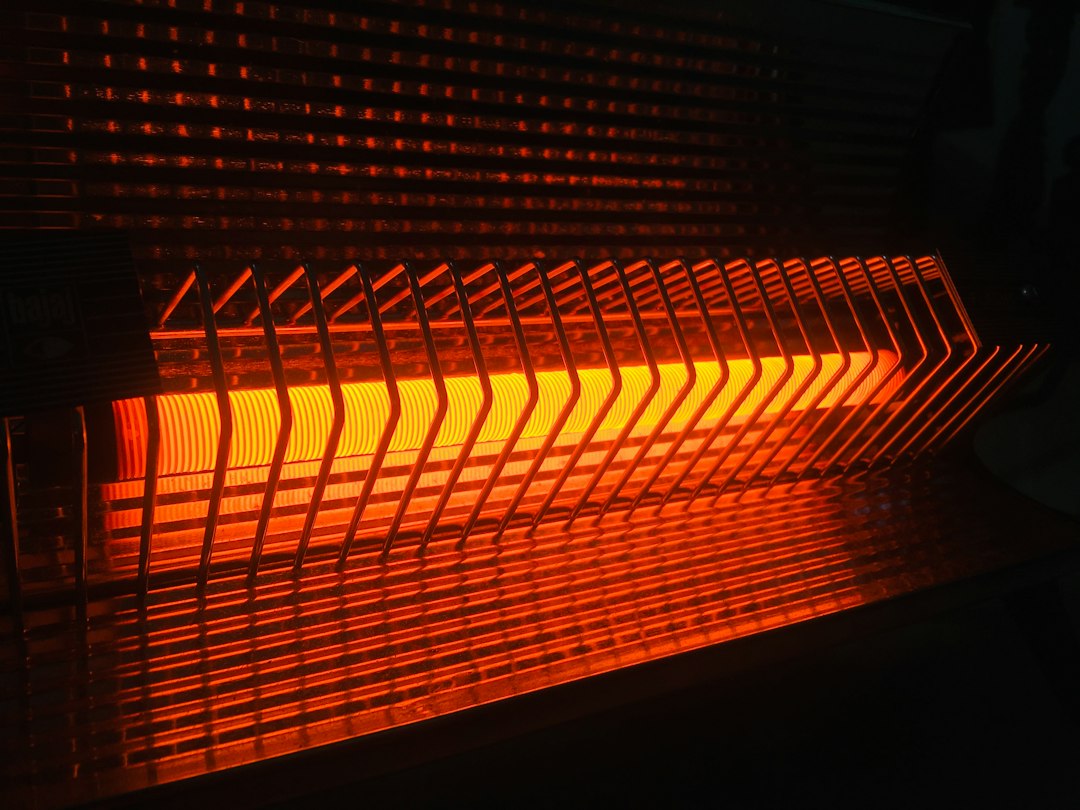
As temperatures begin to fall, maintaining a suitable environment for plants becomes an important part of greenhouse gardening. Cold nights and changing seasonal conditions can affect growth, particularly for delicate plants, seedlings, and crops that need consistent warmth. With Greenhouse Stores, gardeners can explore heating options designed to help protect plants and extend the growing season. Choosing an appropriate heater allows a greenhouse to remain useful during cooler months while providing greater control over growing conditions www.greenhousestores.co.uk.
Why Greenhouse Heating Is Important
A greenhouse captures sunlight during the day, but temperatures can drop considerably after sunset. This change may slow plant development or expose temperature-sensitive varieties to conditions they cannot tolerate. A suitable heating system helps reduce these fluctuations and maintain a more stable growing environment.
Heating can be especially useful when starting seeds early, protecting young plants, or growing varieties that require warmer conditions. It may also help gardeners continue cultivating certain crops beyond the traditional growing season.
However, every plant has different temperature requirements. Understanding the needs of the varieties inside the greenhouse is the first step towards choosing an effective heating solution.
Explore Different Types of Greenhouse Heaters
Greenhouse heaters are available in several designs, each offering different benefits. Electric heaters are commonly considered for smaller and medium-sized growing spaces because they can provide controlled heat without requiring fuel storage inside the greenhouse.
Fan-assisted heaters distribute warm air around the structure, helping reduce cold areas when positioned correctly. Some models include adjustable thermostats, allowing gardeners to select a preferred temperature range.
Other heating options may use alternative energy sources, depending on the greenhouse setup and available facilities. When comparing systems, consider installation requirements, running costs, safety features, and the amount of heat needed for the space.
Select the Right Heater Size
Choosing a heater with suitable capacity is essential. A unit that is too small may struggle to maintain warmth during particularly cold weather, while an unnecessarily powerful heater could increase energy consumption.
The required heating capacity depends on several factors, including greenhouse dimensions, glazing material, insulation, outside temperatures, and the desired internal temperature.
Glass and polycarbonate structures can have different heat-retention characteristics. Draughts, gaps around doors, and poorly fitted panels may also allow warmth to escape. Assessing these factors before purchasing can help identify an appropriate heating solution.
Use Thermostats for Better Temperature Control
A thermostat can make greenhouse heating more convenient by controlling when the heater operates. Rather than running continuously, a temperature-controlled system switches heating on when conditions fall below the selected setting.
This approach can help maintain more consistent temperatures and avoid unnecessary heating. Some heaters also offer adjustable settings, timers, or built-in temperature controls.
Position temperature sensors where they can provide a representative reading of the growing environment. Avoid placing them directly beside the heater, near doors, or in areas exposed to unusual temperature changes.
Improve Heat Retention Inside the Greenhouse
Heating equipment works more effectively when the greenhouse can retain warmth. Inspect doors, vents, glazing panels, and frame connections for gaps that may allow cold air to enter.
Insulating materials designed for greenhouse use can help reduce heat loss during colder periods. Bubble insulation, suitable internal coverings, and properly fitted seals may improve temperature stability.
It is also helpful to keep plants organised according to their temperature requirements. Sensitive seedlings can be positioned in warmer areas, while hardier plants may tolerate cooler sections.
Ventilation should not be ignored during winter. Opening vents briefly when conditions allow can help manage humidity and reduce condensation.
Follow Essential Heater Safety Practices
Always select equipment suitable for greenhouse environments and follow the manufacturer’s installation and operating instructions. Keep heaters away from water, flammable materials, and direct contact with plants.
Electrical connections should be appropriate for the conditions, and damaged cables or fittings should be addressed promptly. Avoid covering heaters or obstructing their airflow.
Regularly inspect heating equipment before the colder season begins to ensure that it operates correctly.
Make Greenhouse Gardening More Flexible
A suitable greenhouse heater can help gardeners protect vulnerable plants and continue growing during cooler seasons. By considering heater capacity, temperature controls, insulation, and safe operation, it becomes easier to create a comfortable environment for seasonal gardening. Careful planning helps make greenhouse heating practical, efficient, and suited to the needs of the plants being grown.