From Executive Discussions to Emerging Threats: The Role of CISO Conferences
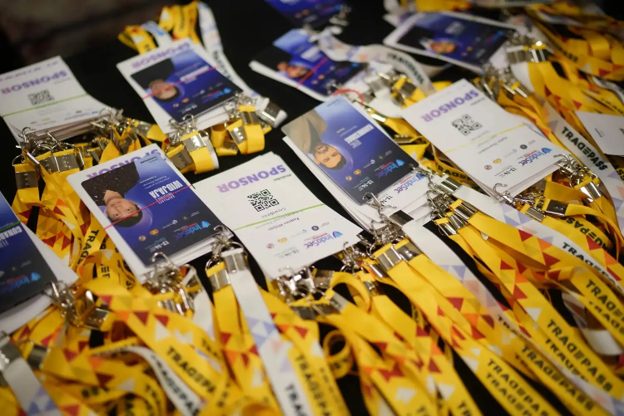
Cybersecurity has become a central business priority as organisations manage increasingly complex digital environments, expanding attack surfaces, cloud adoption, and sophisticated cyber threats. Security leaders are expected to protect critical information while supporting business continuity, regulatory readiness, and digital transformation. This evolving responsibility has increased the value of professional platforms where cybersecurity executives can exchange knowledge and examine emerging security challenges.
For organizations seeking stronger security strategies, the best CISO networking events offer opportunities to engage with peers, technology specialists, and industry experts. Discussions across these platforms often cover threat intelligence, security operations, identity management, cloud security, risk governance, and incident response. Such interactions can help security leaders understand evolving threat patterns and explore practical approaches to strengthening organizational resilience.
Strategic Priorities Shaping Modern Cybersecurity Leadership
CISOs increasingly balance technical security requirements with broader business objectives, making strategic planning and continuous awareness essential to effective cybersecurity leadership.
- Threat Intelligence Strengthens Security Awareness
Threat intelligence provides security teams with valuable information about emerging attack techniques, vulnerabilities, threat actors, and evolving risks. By analyzing relevant intelligence, organisations can improve their ability to identify potential threats before they cause significant disruption. CISOs can use these insights to prioritise security investments, strengthen monitoring capabilities, and improve organizational preparedness. Regular intelligence sharing also helps security professionals understand how threats evolve across industries and digital environments.
- Cloud Security Requires Stronger Governance
Cloud adoption has expanded the range of environments that security teams must monitor and protect. Misconfigurations, unauthorized access, insecure interfaces, and identity-related vulnerabilities pose risks when cloud environments are not properly governed. CISOs increasingly focus on access controls, data protection, continuous monitoring, and security policies that align with cloud architectures. Strong governance helps organisations maintain visibility while supporting flexible and scalable digital operations.
- Identity Protection Supports Secure Access
Identity has become an important component of modern cybersecurity as employees, customers, applications, and connected devices access digital resources from different locations. Strong authentication, privileged access management, identity monitoring, and role-based permissions can reduce the risk of unauthorized access. Security leaders must also ensure that identity controls remain practical for users. A balanced approach helps protect sensitive resources while supporting efficient access across distributed digital environments.
- Security Operations Improve Incident Readiness
Security operations teams play an important role in detecting suspicious activity and responding to potential incidents. Effective monitoring combines security information, automated alerts, threat intelligence, and skilled analysis to identify unusual behaviour. Incident response procedures should also be regularly reviewed and tested. Strong operational readiness enables organisations to respond more efficiently to security events while reducing potential disruption to critical business services.
- Regulatory Awareness Influences Security Strategies
Organizations operating across multiple markets must increasingly consider data protection requirements, cybersecurity standards, and industry-specific regulations. CISOs need to understand how regulatory expectations influence security policies, data management, reporting procedures, and risk controls. Maintaining regulatory awareness supports stronger governance while reducing compliance-related uncertainty. It also encourages organisations to integrate security considerations into broader business processes rather than treating compliance as a separate technical responsibility.
- Cyber Resilience Supports Business Continuity
Cyber resilience helps organizations prepare for, respond to, and recover from cyber incidents. Best CISO networking events provide opportunities to discuss backup strategies, incident response, recovery planning, and risk management while strengthening business continuity and security preparedness
Executive Collaboration Builds Stronger Security Strategies
Cybersecurity collaboration helps leaders exchange practical knowledge, understand emerging risks, and strengthen organisational security strategies.
Peer Discussions Encourage Practical Learning
- Share security leadership experiences
- Discuss governance and transformation
- Exchange incident response practices
Executive Networking Builds Professional Relationships
- Connect with cybersecurity leaders
- Exchange industry knowledge
- Build valuable professional networks
Technology Demonstrations Improve Market Awareness
- Explore emerging security technologies
- Understand automation capabilities
- Evaluate threat detection solutions
Cross-Industry Perspectives Broaden Security Thinking
- Compare industry security challenges
- Learn adaptable security practices
- Gain broader threat awareness
Emerging Cybersecurity Priorities for CISO Leaders
As cyber risks continue to evolve, security leaders must evaluate emerging technologies, organizational practices, and strategic priorities to strengthen enterprise-wide protection.
- AI Changes the Cybersecurity Landscape
Artificial intelligence is influencing both cyberattacks and defensive security capabilities. Threat actors can use AI to automate malicious activities, while security teams can apply it to threat detection, analysis, and response. CISOs increasingly need strategies that address both opportunities and risks associated with AI adoption.
- Zero Trust Strengthens Access Management
Zero Trust security focuses on continuously verifying users, devices, applications, and access requests rather than automatically trusting internal connections. Implementing identity verification, least-privilege access, segmentation, and continuous monitoring can strengthen protection across distributed environments while supporting secure access to critical resources.
- Third-Party Risks Require Greater Visibility
Organisations increasingly depend on vendors, cloud providers, technology partners, and external service providers. These relationships can introduce additional security considerations. CISOs need effective vendor assessment, access controls, monitoring, and risk-management processes to maintain visibility across the broader technology ecosystem.
- Security Awareness Supports Employee Readiness
Employees remain an important part of an organisation’s cybersecurity posture. Regular awareness programs can help teams recognise phishing attempts, suspicious communications, unsafe access requests, and other common threats. Practical training encourages stronger security habits while supporting a broader culture of cyber responsibility.
- Automation Improves Security Operations
Security automation can help teams manage alerts, identify suspicious activity, and accelerate repetitive response processes. Automated workflows can reduce manual workloads while enabling security professionals to focus on complex investigations and strategic priorities. Effective automation should complement human expertise rather than replace critical security judgment.
- Executive Communication Strengthens Cyber Governance
CISOs increasingly communicate cybersecurity priorities to boards, executives, and business teams. Presenting security risks in terms of business impact, operational continuity, financial exposure, and strategic objectives can improve organisational understanding. Clear communication also supports stronger investment decisions and enterprise-wide cybersecurity governance.
Final Thoughts
Cybersecurity leadership increasingly requires a combination of technical awareness, strategic planning, executive communication, and continuous learning. Participating in the best cybersecurity conferences for CISOs can provide opportunities to explore emerging threats, exchange professional insights, and understand evolving security practices. Such platforms can help security leaders remain informed about developments across AI security, cloud protection, identity management, cyber resilience, and governance.
The IndoSec Summit brings together cybersecurity professionals and technology stakeholders to discuss these evolving priorities, fostering knowledge exchange and industry collaboration. By engaging with relevant discussions and perspectives, CISOs can deepen their understanding of emerging risks and develop more informed approaches to enterprise cybersecurity planning.