BPC-157 in Canada: Understanding Research, Safety, and Regulatory Considerations
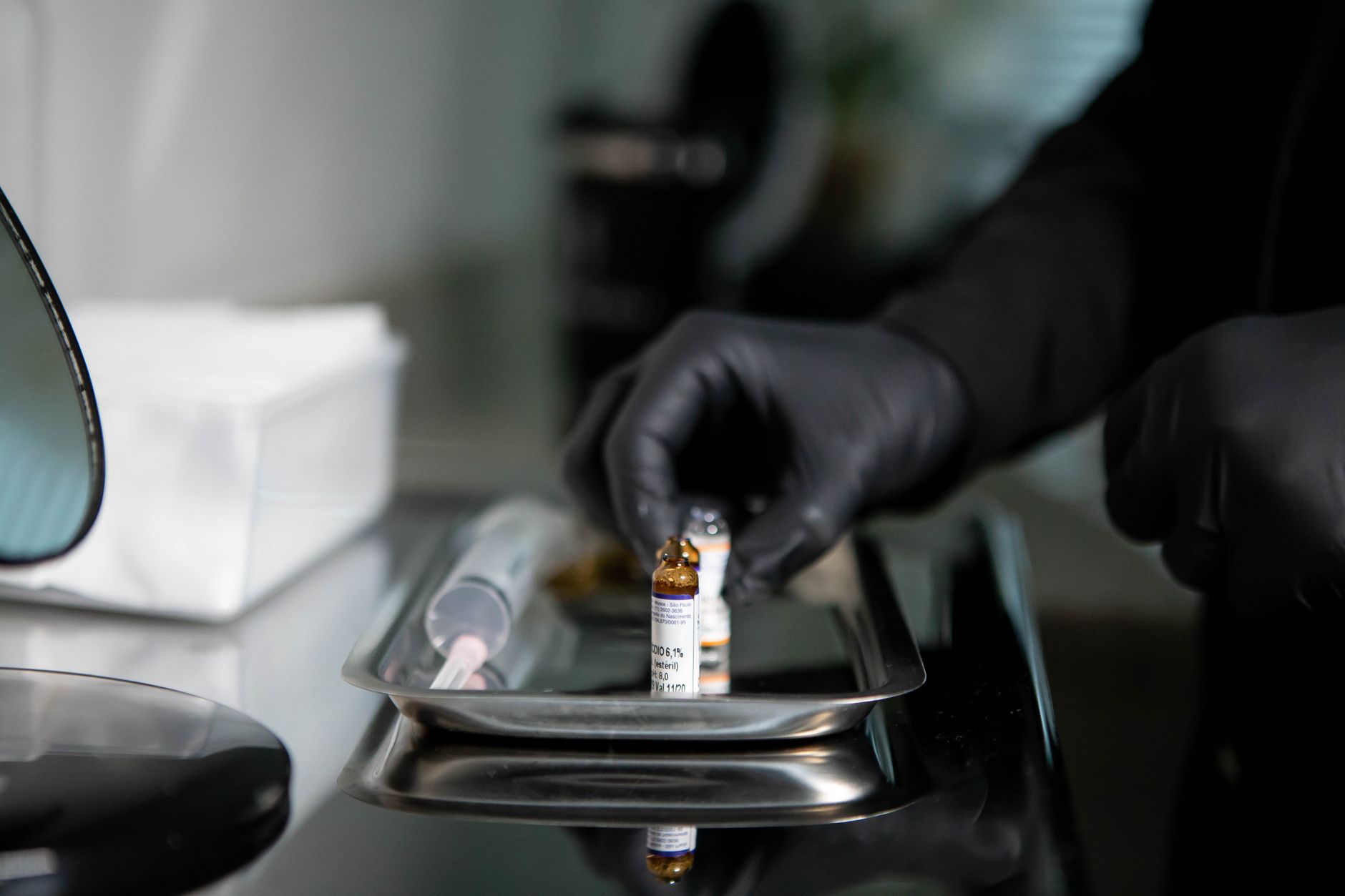
What should readers know about BPC-157 before exploring peptide research? BPC-157 is a synthetic peptide that has attracted scientific interest because preclinical research has examined its potential effects on tissue repair, inflammation, and protective biological pathways. For individuals researching bpc157 canada, it is important to distinguish laboratory findings from established medical applications. Current evidence remains limited, and Health Canada identifies BPC-157 among injectable peptide drugs that may be marketed without authorization, emphasizing the importance of understanding regulatory status before considering any product.
In This Article
- What is BPC-157?
- What does the research currently show?
- Is BPC-157 approved as a medicine in Canada?
- Why is product quality important in peptide research?
- What does human research tell us?
- What should researchers consider before proceeding?
- Why does responsible information matter?
What is BPC-157?
BPC-157, also known as Body Protection Compound 157, is a synthetic peptide derived from a sequence associated with gastric proteins. Researchers have investigated its biological activity in different experimental settings, particularly in relation to tissue protection and recovery mechanisms. Much of the published evidence comes from laboratory and animal studies rather than large, controlled human clinical trials. A recent systematic review identified dozens of studies, with the large majority being preclinical, demonstrating why scientific interest should not automatically be interpreted as proven therapeutic effectiveness.
What does the research currently show?
Research into BPC-157 has explored several biological processes involving muscles, tendons, ligaments, bones, gastrointestinal tissues, and other systems. Preclinical investigations have reported potentially interesting effects involving inflammatory signaling, blood-vessel formation, and tissue responses. However, these findings mainly represent experimental observations. A systematic review of orthopedic and sports-medicine research found extensive preclinical investigation but very limited clinical evidence, meaning further human research is required before firm conclusions can be made about effectiveness or safety.
Is BPC-157 approved as a medicine in Canada?
Regulatory status is one of the most important considerations. Health Canada states that injectable peptide drugs are regulated as prescription drugs in Canada and specifically lists BPC-157 among peptide products that may be sold as unauthorized bodybuilding products. Health Canada also warns that labels such as “For Research Use Only” do not make unauthorized products legal or suitable for human use. Consumers can verify authorized products through Health Canada’s relevant drug databases and should discuss medical products with qualified healthcare professionals.
Why is product quality important in peptide research?
Peptide research requires careful attention to identity, purity, storage, handling, and analytical documentation. A product’s appearance or labeling alone cannot establish its chemical identity or quality. Researchers should therefore consider appropriate laboratory documentation, testing procedures, and traceability when evaluating research materials. These factors are particularly important because differences in formulation, preparation, and handling can affect experimental consistency and interpretation.
What does human research tell us?
Human evidence remains at an early stage. A small pilot study investigated BPC-157 in patients with interstitial cystitis, while another very small pilot examined intravenous administration. Such studies can provide preliminary observations, but their limited participant numbers and study designs cannot establish broad safety or effectiveness. A recent review also reported that BPC-157 has no approved formulation or validated dosing regimen and that completed clinical development remains limited.
What should researchers consider before proceeding?
A professional approach begins with understanding the distinction between research material and an authorized medicine. Researchers should review current scientific literature, confirm applicable Canadian regulations, maintain appropriate laboratory controls, and avoid making unsupported therapeutic claims. Human use should not be inferred from experimental availability, and any medical decision should involve a licensed healthcare professional.
Why does responsible information matter?
The growing interest in peptides makes accurate information increasingly important. BPC-157 research contains promising laboratory observations, but scientific promise is different from established clinical evidence. By focusing on documented research, regulatory requirements, quality considerations, and transparent communication, readers can develop a more balanced understanding of the compound. This evidence-based approach supports responsible peptide research while recognizing that additional well-designed human studies are needed to clarify its potential applications and long-term safety.
The Short Version
- BPC-157 is a synthetic peptide that has shown potential effects on tissue repair and inflammation in preclinical research.
- Health Canada categorizes BPC-157 as an injectable peptide drug that may be sold unauthorized, highlighting the need for regulatory awareness.
- Most current research on BPC-157 is based on preclinical studies, with very limited evidence from large, controlled human clinical trials.
- Regulatory authorities warn that terms such as ‘For Research Use Only’ do not validate unauthorized products as safe for human use.
- Human research on BPC-157 is in its early stages, with some small pilot studies that do not establish broad safety or effectiveness.
- Researchers are advised to understand the difference between research materials and authorized medicines while ensuring compliance with regulatory standards.